
Blog / Diwali
Diwali Grooming: Your Two-Week Timeline
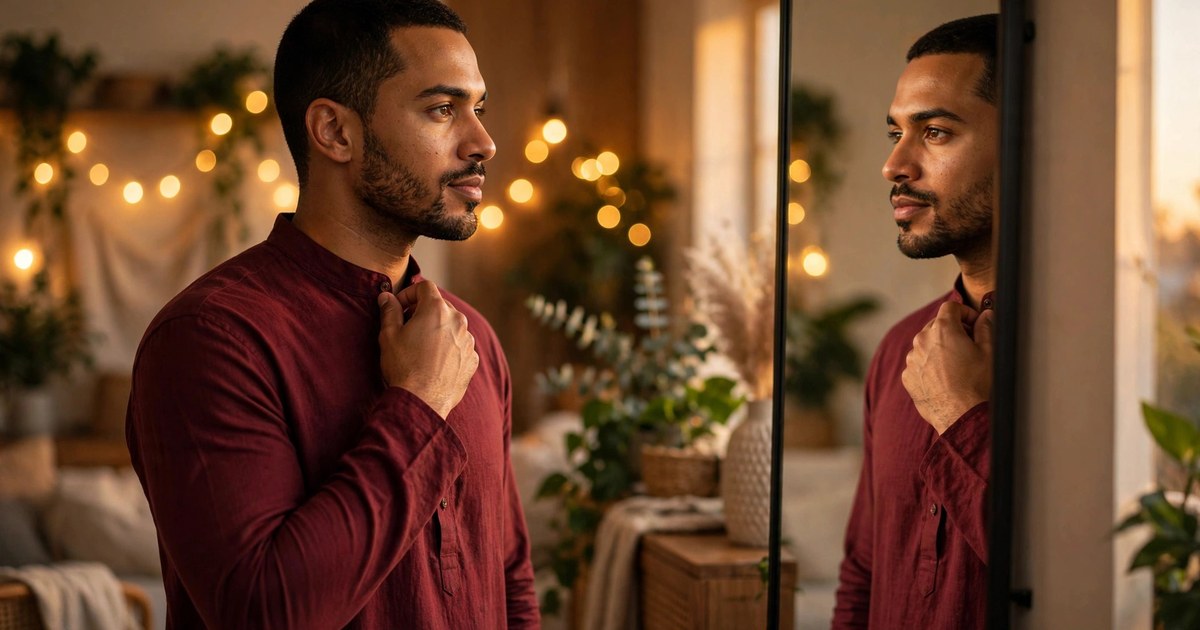
Diwali falls on Sunday 8 November 2026, and a fortnight is enough time to arrive ready — if the two weeks are spent in the right order. Skin prep starts first, while skin still has time to settle. The haircut lands seven to ten days out. The beard is shaped two to three days out. The final three nights belong to sleep. What remains on the day itself is a short checklist, because everything that needed time has already had it.
Why Diwali grooming runs on a timeline
Nearly every festival-week grooming regret is a timing regret. The haircut booked the day before photographs sharply at the edges. The new face wash started on Monday has skin unsettled by the weekend. The late nights spent preparing the house show under the eyes in every family photograph. None of these are effort problems — they are calendar problems, and the calendar is the one part fully in your control.
Be honest about what two weeks can do. Skin renews on a cycle of roughly four to six weeks, so a fortnight will not remake your skin. What it does reliably is calm it: consistent cleansing and moisturising settle dryness and shine, a settled haircut frames the face, rested eyes carry photographs, and no avoidable problem arrives on the day. That is the real prize — your best settled version, not a different face.
Two weeks out: build the skin base
From Sunday 25 October, run the essentials every day: a gentle cleanser, a moisturiser matched to your skin, and sunscreen through the day. Consistency across fourteen days does more than intensity across three. If your current routine is already close to this, change nothing — stability is the strategy.
- Keep it gentle. Festival season across much of India turns cooler and drier, and harsh cleansing is the common route to tight, flaky skin in photographs. Gentle products used daily serve skin better than strong products used in a rush.
- One change at the most. If you want to add a single product — a richer moisturiser for dry weather, say — this week is the last safe moment to start it, tried on a small area of skin first. Our skincare routine for beginners sets out the essentials in order.
- Hands and lips count. Start lip balm now, not on the morning itself; lips need days to lose the cracked look. Keep nails clean and filed from this week — hands are photographed constantly at Diwali, holding sweets, gifts, and sparklers.
- Set your sleep time. Sleep cannot be banked, but you can reach the final week already rested instead of already behind.
Ten to seven days out: the haircut window
Book the cut for between Thursday 29 October and Sunday 1 November. This window is the most argued-over detail in event grooming, and the reasoning behind it is consistent:
- Edges settle. A fresh cut photographs severe for the first few days; by day seven the shape has softened into how it will actually look.
- Mistakes stay fixable. A cut you dislike at ten days out can be adjusted. A cut you dislike the day before cannot.
- Ask for your usual, refined. Diwali week is not the moment for a new style. Bring a photograph of a haircut of yours that you liked, and let the barber repeat it cleanly. Our haircut guide helps you choose the style itself, well before the appointment.
- Decide the beard direction here. Growing it out, keeping it shaped, or going clean-shaven — commit in this window so the festival finish is a tidy-up, not a redesign.
One week out: close the door on experiments
From Sunday 1 November, the routine is locked. This single rule prevents most festival-day skin regrets:
- No new products. Nothing new touches your face in the final week — no first-time treatments, peels, or strong actives, whatever the label promises.
- No squeezing, no picking. A blemish left alone usually settles down; a blemish attacked two days out will still be announcing itself in every photograph.
- Keep the routine deliberately plain. Cleanse, moisturise, sunscreen by day; cleanse and moisturise at night. Settled skin is built by repetition, not variety.
- Prepare the outfit now. Try the full outfit on once, check the fit in daylight, and set it aside ready. Clothing surprises on the day steal the calm this timeline was built to protect.
Three to two days out: beard, brows, and nails
Thursday 5 and Friday 6 November are the finishing window — close enough that lines stay clean, early enough that skin has recovered from the trimmer.
- Shape the beard. Trim to your established shape, clean the cheek and neck lines, and moisturise the skin beneath. If you are clean-shaven, keep the shaving pattern your skin already knows from ordinary weeks — the festival is not the occasion to change it.
- Brows: tidy, never redesign. Remove stray hairs between and beneath the brows and keep the natural shape exactly as it is. Our eyebrow guide shows the line between tidy and overdone.
- Finish the nails properly. Trimmed straight, filed smooth, cuticles tidy, hands moisturised. Our nail grooming guide covers the standard — it takes ten minutes and shows in every close photograph.
- Wash hair on your normal schedule. Use the styling product your hair already behaves with; the festival is no place to meet a new one.
The final three nights: protect your sleep
From Thursday night, sleep becomes the highest-value appointment on the calendar. Tiredness shows first around the eyes and in the skin's colour, and no product covers it convincingly by Sunday.
- Hold a steady bedtime. Three regular nights do more for your face than one heroic early night before the festival.
- Finish screens and heavy food earlier. Both fragment sleep in ways that show the next morning.
- Expect the household to get busier. Diwali preparations pull everyone in; settle your part early in the day so the evenings stay calm. Our sleep and skin guide explains what sleep repairs — and what it cannot.
Diwali day: the checklist
In the morning
Gentle cleanse, moisturiser, and sunscreen if the day takes you outdoors. If you wake with a puffy face after a short night, cold water and an hour upright settle most of it — judge your face after breakfast, not at the mirror at dawn.
Before the gatherings
- Shine control: blot the T-zone rather than layering more product; under flash and warm room light, a moisturised face with a matte finish photographs best.
- The final five minutes: lip balm on, beard edges checked, collar straight, breath fresh, fragrance kept light — you will be greeting family at close range, in warm rooms, for hours.
- Then stop. The timeline exists so that this moment stays short. Enjoy the festival.
When the cameras come out
Diwali photographs happen in warm, mixed light, and two habits decide how you come out in them. Face the light: stand so the light of the room — or a window by day — falls on your face, never behind you, where it turns faces into silhouettes. And hold the camera at eye level or a touch above; angles from below flatter nobody. Our guide to looking good in photos covers angles, light, and pose in full.
The five days around Diwali
The festival runs beyond the main day — Dhanteras on Friday 6 November through to Bhai Dooj on Wednesday 11 November — and most households gather more than once. The base built over the fortnight carries across all of it: cleanse at night however late the evening runs, moisturise, and keep sleep as steady as the celebrations allow. One good week of habits, repeated, is the whole method.
Diwali and Lookauramax
A festival date makes a strong day one. If Diwali is your starting line, the two-week prep above becomes the opening of a 90-day Aura Cycle: daily Aura Routine tasks, Aura Check-in photographs at Day 30 and Day 60, and honest bands for the 7 Aura Signals — skin, hair, brows, opt-in beard, smile, posture, photo quality — each with its Why and its next Action. The free 90-Day Planner will lay the cycle out from any start date you give it.
Walk into Diwali already ready
Join the launch list and get one email on launch day. Your honest starting point is one AuraScan away.
See plans →Frequently asked questions
When should I get my haircut before Diwali?
Seven to ten days before the main day — for Diwali 2026, between 29 October and 1 November. A fresh cut needs a few days for the edges to soften and the shape to settle. A day-before cut looks severe in photographs and leaves no time to correct a mistake.
Can I start a new skincare product in the final week?
No. The final week runs on products your skin already knows. New cleansers, strong actives, and first-time treatments can bring redness or a breakout that peaks on the day itself. Anything new belongs at the two-week mark at the latest, tried on a small area of skin first.
When should I trim my beard before Diwali?
Two to three days before — 5 or 6 November for Diwali 2026. Edges cut in that window look clean without the raw, newly trimmed finish, regrowth has not had time to blur the lines, and a spare day remains for a touch-up if one line needs correcting.
How can I look rested in Diwali photographs?
Protect your sleep on the final three nights, keep the day itself unhurried, and face the light when photographs are taken — the warm light of the room or a window in front of you, never behind you. A matte finish across the T-zone stops flash from turning moisturiser into shine.
Disclaimer: This post is general information, not medical advice. For persistent skin concerns or any treatment, follow the guidance of your dermatologist.