Blog / Poster story
SMALL STEPS. BIG MORNINGS.

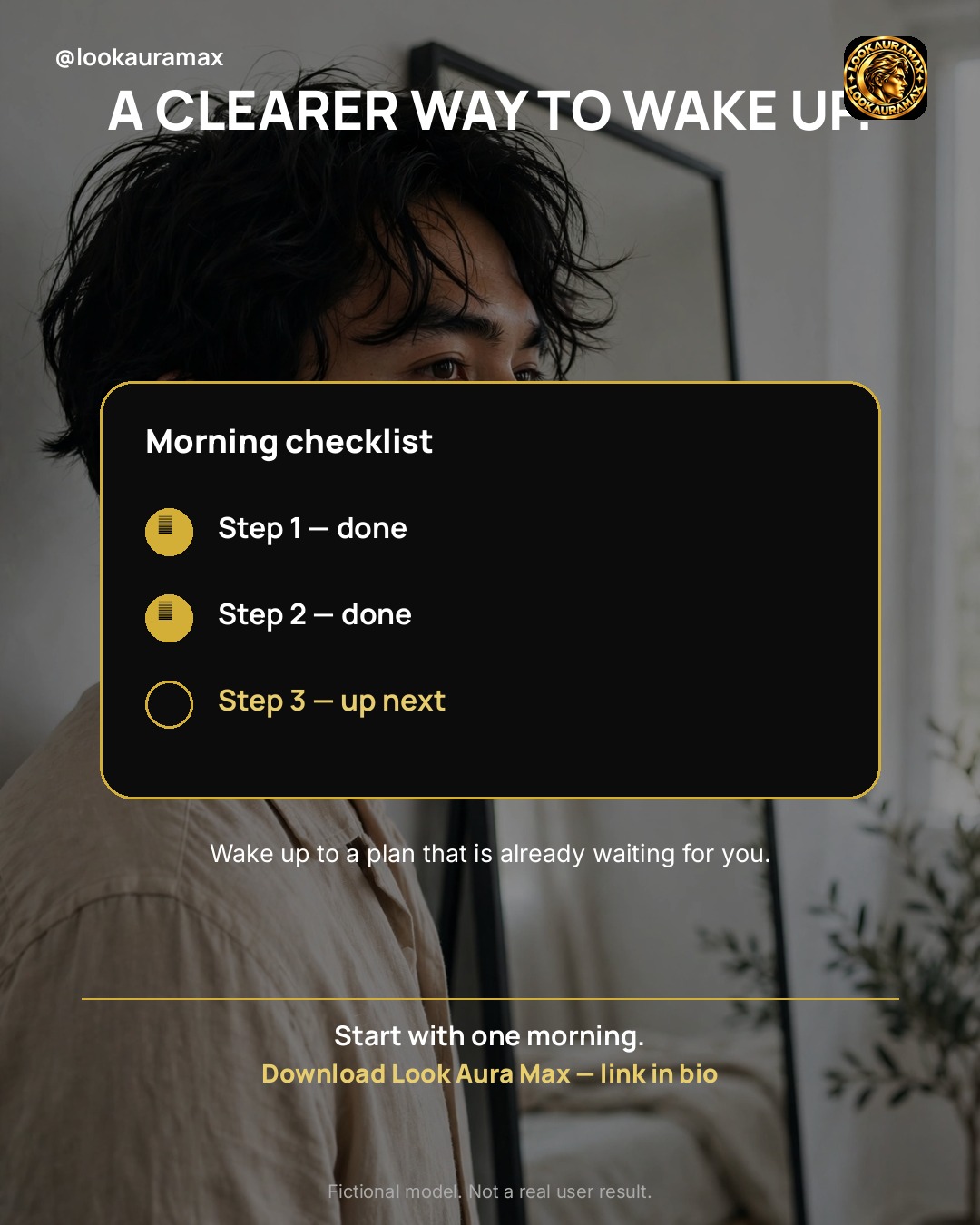
Three steps, in order, every morning. Small steps, steady mornings. That is the territory of this poster — and this page unpacks it: what the line means, how to apply it, and where it connects to a real routine.
The idea in one line
In one line: Three steps, in order, every morning. Small steps, steady mornings. — that is the message of this poster.
What this poster is really saying
"SMALL STEPS. BIG MORNINGS." sounds like discipline talk, and at its root is something kinder: make the right thing the easy thing. Three steps, in order, every morning. Small steps, steady mornings. Lay out the morning the night before, keep the habit small enough to do on a bad day, and track it plainly. Discipline is mostly design wearing a stern face.
Review weekly, not daily. Daily judgement makes normal variance feel like failure; weekly review shows the true pattern. Ask one question: did the habit happen most days? If yes, keep going. If no, shrink it further. The standard bends; it does not break. That is how "SMALL STEPS. BIG MORNINGS." stops being a poster and starts being a Tuesday.
Take it with you
- Attach new habits to ones that already happen.
- Track with one mark a day; the streak becomes its own reason.
- Design the environment: remove decisions in advance.
Start with yourself, one day at a time
Lookauramax gives you an honest starting point: an AuraScan, a 90-day plan, and a daily routine. Join and claim your one-time Join Reward — 1 scan, 1 retake if confidence is low, a 3-day routine, a Preview teaser, and a Library teaser. No card needed.
See plans →Frequently asked questions
What does "SMALL STEPS. BIG MORNINGS." mean in practice?
It is a poster line with a practical core. In one line: Three steps, in order, every morning. Small steps, steady mornings. — that is the message of this poster. The point is not the poster on a wall — it is one small standard, kept most days, inside a routine you can sustain for a full 90-day cycle.
Is a morning routine actually worth it?
Yes, if it is short and honest. A good morning routine is not a performance — it is five to twenty minutes that decide the tone of the next few hours: light, water, movement, one clear plan. Skip the theatre; keep the sequence. On the worst mornings, run the two-minute version and count it as kept.
How long does a new habit take to feel normal?
Research and experience both land in the same place: somewhere between three weeks and three months, depending on the habit and the person. The honest plan is one 90-day cycle — long enough for the habit to stop feeling new, short enough to stay aimed. Judge it at the end of the cycle, not at the end of the week.
Disclaimer: This post is general information, not medical, dermatological, nutritional, or mental-health advice. Lookauramax does not diagnose conditions or promise any physical or social outcome. If you have a skin, health, or mood concern, consider speaking to a qualified professional.
More poster stories