Blog / Poster story
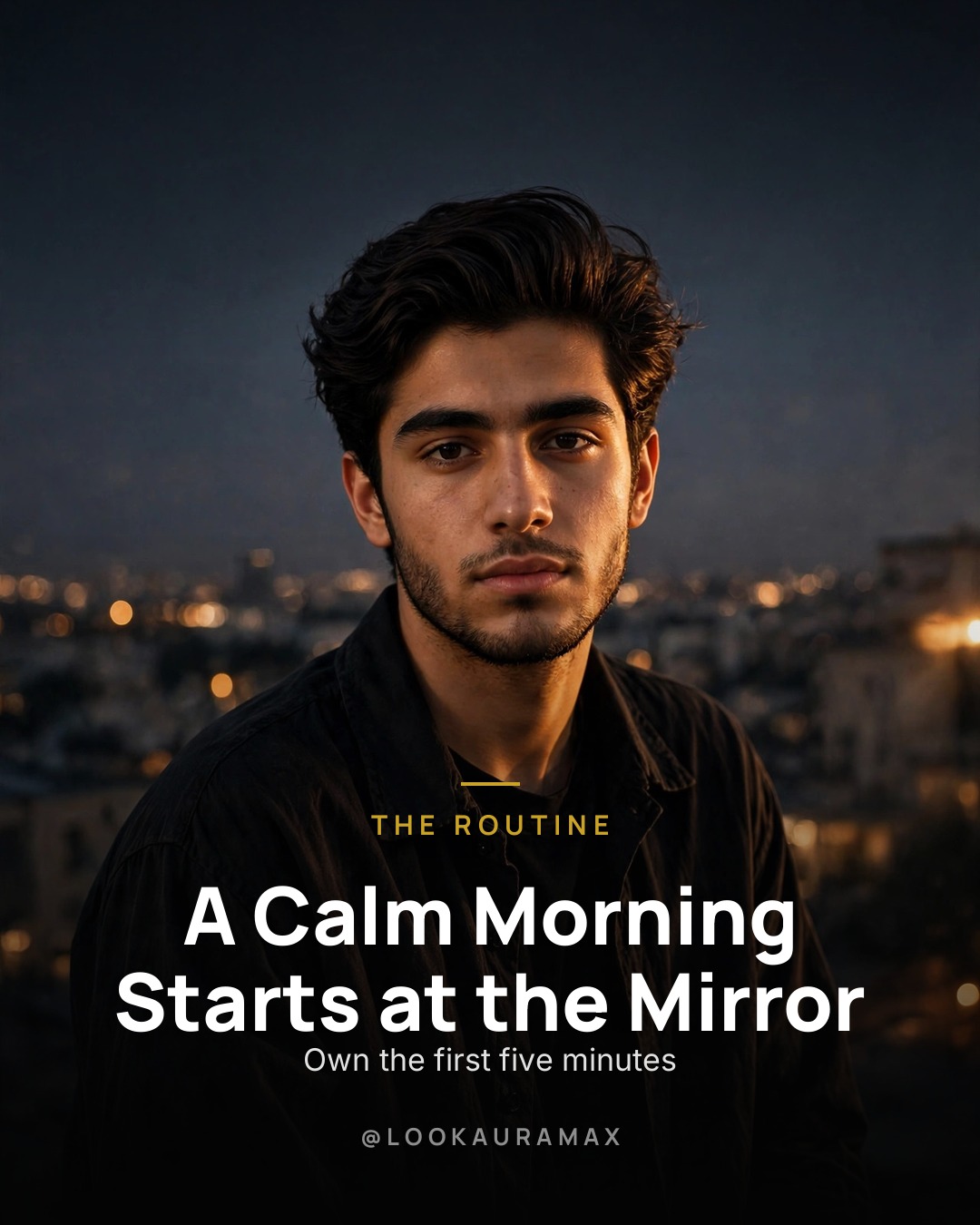
Taking care of yourself is strength.

Face, hair, and skin — handled with pride. That is the territory of this poster — and this page unpacks it: what the line means, how to apply it, and where it connects to a real routine.
The idea in one line
"Taking care of yourself is strength." comes down to this: Face, hair, and skin — handled with pride.
What this poster is really saying
The line on this poster — "Taking care of yourself is strength." — is about the least dramatic truth in fitness: the body responds to what you repeat, not to what you attempt once. Face, hair, and skin — handled with pride. Training works through progressive overload — a little more, over time — and the "little more" only compounds if the sessions keep happening. The poster is a reminder that showing up is the program.
Track the boring metrics: sessions per week, and whether the weights or reps moved up month to month. The mirror lies day to day; the log does not. Review monthly, adjust gently, and never overhaul a program that is still working. Keep this poster's line in view while you practise it: "Taking care of yourself is strength."
Take it with you
- Track sessions and monthly progress, not the daily mirror.
- Shrink busy-week sessions instead of skipping them.
- Eat enough protein across the day; consistency beats any single meal.
Start with yourself, one day at a time
Lookauramax gives you an honest starting point: an AuraScan, a 90-day plan, and a daily routine. Join and claim your one-time Join Reward — 1 scan, 1 retake if confidence is low, a 3-day routine, a Preview teaser, and a Library teaser. No card needed.
See plans →Frequently asked questions
What does "Taking care of yourself is strength." mean in practice?
It is a poster line with a practical core. "Taking care of yourself is strength." comes down to this: Face, hair, and skin — handled with pride. The point is not the poster on a wall — it is one small standard, kept most days, inside a routine you can sustain for a full 90-day cycle.
How often should a beginner work out?
Two to three full-body sessions a week is the honest starting point, with walking on the other days. That frequency drives progress without burying recovery. Add a fourth session only when three feels easy for a month — rushing volume is the classic beginner mistake.
Do I need a gym to get fit?
No. Bodyweight basics — squats, push-ups, rows, planks, lunges — build real strength for months, and walking is underrated cardio. A gym helps later when you need heavier progressive overload, but the first year of consistency matters far more than the venue.
Disclaimer: This post is general information, not medical, dermatological, nutritional, or mental-health advice. Lookauramax does not diagnose conditions or promise any physical or social outcome. If you have a skin, health, or mood concern, consider speaking to a qualified professional.
More poster stories