 LOOKAURAMAX
Blog / Rice Water
Rice Water for Hair
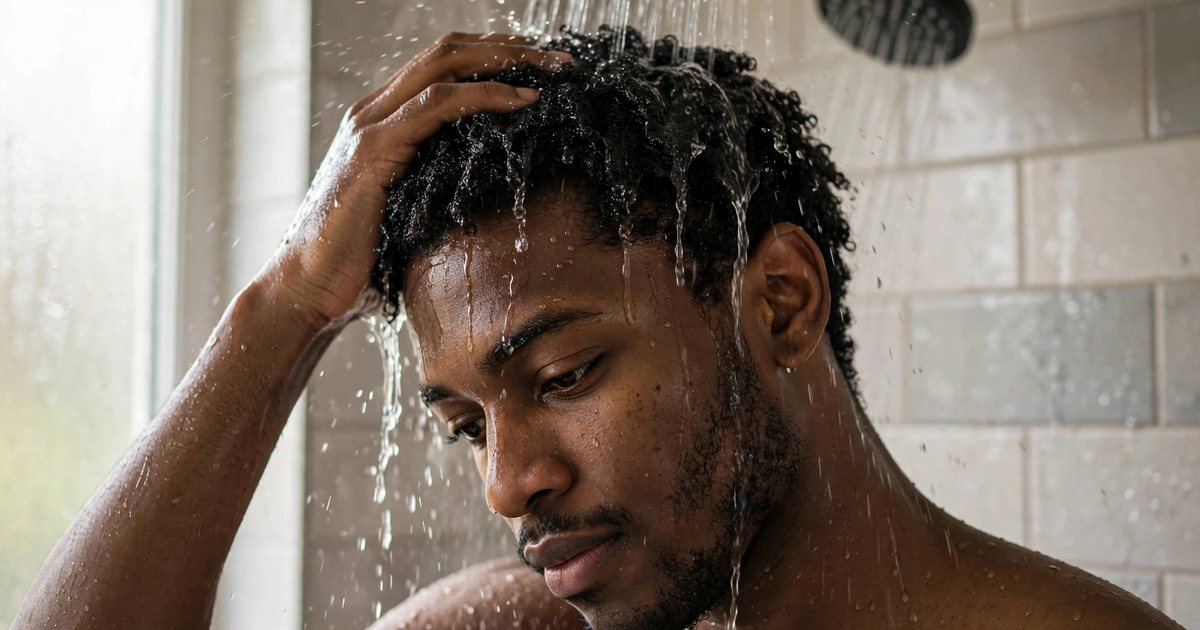
Rice water is the starchy liquid left after soaking, boiling, or fermenting rice. Used as a hair rinse for centuries in parts of Asia, it is rich in inositol, amino acids, and B vitamins. It can leave hair smoother and stronger-feeling — but the honest story is length retention, not faster growth.
What is rice water for hair?
Rice water is the liquid left after rice is soaked, boiled, or fermented. It coats the hair shaft with starch, amino acids, and inositol — a compound that penetrates the shaft, stays on after rinsing, and supports elasticity. The Yao tribe in China is well known for this tradition, with women washing hair in fermented rice water for generations. It is a low-cost rinse with a long history, and a modest but real effect.
How to make rice water
- Soak (easiest). Rinse half a cup of rice, cover with 2 cups of water, soak 30 minutes, strain. Use the cloudy liquid.
- Boil. Boil rice in extra water, strain the liquid, let it cool.
- Ferment (strongest). Leave soaked rice water covered at room temperature 24–48 hours until slightly sour, then refrigerate. Use within a week. Fermented rice water smells sour — that is normal. Dilute it with water if it feels strong.
How to use rice water
- After shampoo. Pour rice water through your hair, working it from roots to ends.
- Massage lightly. Work it into the scalp for a minute, without scrubbing.
- Leave 10–20 minutes. Rinse thoroughly, then condition as usual.
- Once or twice a week. Start once a week and watch how your hair responds before increasing.
What it can do
- Less breakage. Inositol supports elasticity, so hair snaps less during combing and styling.
- Smoother cuticle. The starch coating leaves hair smoother and easier to detangle.
- More shine. A smoother cuticle reflects more light.
The growth question, honestly
Rice water does not change the rate at which follicles grow hair. No rinse can. What it does is reduce breakage, so more of the length you grow is kept — length retention. That is genuinely valuable for growing hair longer, and it is not the same as faster growth. Any claim that a rinse speeds up growth is a claim the evidence does not support.
Who should skip or limit it
- Protein-sensitive hair. If hair feels stiff or rough after rice water, it is too much protein for your hair.
- Very dry or brittle hair. Overuse can leave hair feeling hard or straw-like. Cut back and focus on moisture.
- Sensitive or irritated scalp. Skip fermented rice water on irritated skin. For active dandruff, psoriasis, or eczema flares, speak to a dermatologist first.
Rice water and Lookauramax
Hair is one of 7 Aura Signals. Your Aura Routine keeps hair care steady, and your Aura Check-in photos over 90 days show length retention — the honest measure of whether a rinse is working for you.
Make hair care a routine, not a one-off
Join Lookauramax for your one-time Join Reward: 1 AuraScan, 1 retake if confidence is low, a 3-day routine, a Preview teaser, and a Library teaser — no card.
See plans & free trial →Frequently asked questions
What is rice water for hair?
The starchy liquid left after soaking, boiling, or fermenting rice, used as a hair rinse. It contains inositol, amino acids, and B vitamins.
Does rice water make hair grow faster?
No. It does not change follicle growth speed. It reduces breakage, so more length is kept — length retention, not faster growth.
How often should I use rice water?
Once or twice a week is enough. Start once a week and watch how your hair responds before increasing.
Can rice water damage hair?
Overuse can cause stiffness or dryness, especially for protein-sensitive hair. If hair feels rough or brittle, stop and focus on moisture.
Should I use fermented or plain rice water?
Fermented rice water has more inositol and a lower pH, which suits many hair types. It also smells sour and can irritate sensitive scalps. Plain soaked rice water is gentler — start there if your scalp is sensitive.
Disclaimer: This post is general information, not medical advice. Lookauramax does not diagnose or treat hair or scalp conditions. If you have a persistent scalp condition or sudden hair loss, speak to a dermatologist.